

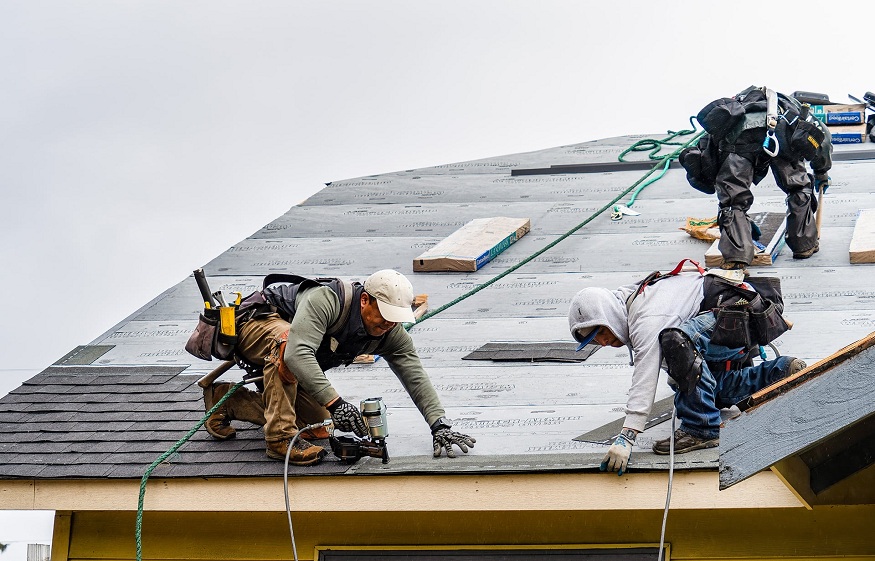
Idaho weather can be harsh. Severe wind and hail events can cause significant damage in minutes.
But the hours and days immediately following a storm are important. They can determine whether your roof claim will be a simple insurance process or a lengthy, costly repair job.
Here are some key steps to take immediately after:
Before you inspect anything, stay safe!
Never try to access the roof right after a storm. Beware of:
- Wet surfaces
- Broken sections of structure
- Debris.
These conditions pose a real fall hazard and are not worth the risk. Do not go near the roofline. Stay out of those areas completely until assessed by a professional.
Document everything BEFORE anything is touched
When it is safe to walk around the outside of the home, start documenting the damage in detail. This should happen before cleaning, covering, or moving things around.
Take pictures of debris in place before removing it. This may include:
- The roof surface
- Gutters
- Downpipes
- Siding
- Windows
- Any other outside structures that were damaged.
This documentation will be essential to your insurance claim. The more comprehensive it is, the easier your claim will be to process. Record the time and date of the storm. Also, document any action taken to minimize further water entry.
Read More: How to Make Sure You’re Getting Good DWC Pipes
Schedule a professional roof inspection
The visible damage might seem small. But a complete inspection by a professional, qualified contractor is necessary.
For example, hail damage is often more severe than it appears from the ground. While the damage may seem to be just on the surface, it can cause integrity problems that allow water to penetrate and can be permanent, potentially causing problems for weeks and months.
Engage experienced storm damage restoration professionals. They should be aware of the specific weather patterns and roofing conditions across Idaho. They will assess the full extent of the damage accurately. You also want them to document it in a way that supports your insurance claim.
Contact your insurance provider ASAP!
Typically, homeowner’s insurance policies state time limits for reporting any storm damage and starting any claims. Notify your insurance company as soon as all paperwork is finished.
You will need to provide:
- Photos
- A description of what happened
- The steps you took to protect yourself at the time.
You need to ask a few good questions:
- What is their coverage for wind and hail damage?
- What is your excess amount?
- What do they require you to do in the claims process?
You want to know what to expect.
Take temporary protection measures while you wait
Maybe the damage has left a portion of the roof exposed to the elements. In that case, arrange for temporary protective measures.
For example:
- Tarps,
- Board-ups
- Temporary coverings, etc.
They can be put up quickly so that water does not enter the home while the full repair is arranged.
Save any receipts related to emergency protection that you may have incurred. These expenses could be covered under your insurance policy.
Read More: What Makes a Kitchen Feel Custom Instead of Cookie-Cutter
Summing up
The first 24-48 hours following a storm make a difference in its aftermath. Be safe, document everything, contact your insurance company as soon as possible, and use local professional services for inspection and repair.